The Rewatch Myth: A Familiar Film Is Not a Frozen Memory
Rewatching a familiar film can reveal how memory and present attention reshape its meaning, helping you understand why the same scenes feel different.
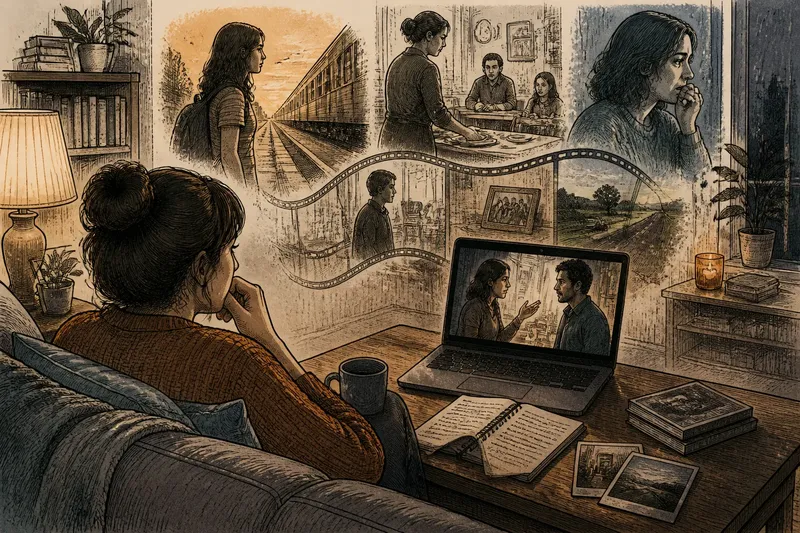
Why can rewatching a familiar film make a once-beloved scene feel quieter, funnier or harder to bear? The film may be unchanged, but your memory of it is not a recording, and your attention arrives with new concerns. A rewatch is not simply a check against an old response; it is another encounter between a fixed work and a changing viewer.
Why does a film feel different on a rewatch?
Memory keeps the broad shape of an experience more readily than every detail. You might remember a reunion as joyful, for instance, while forgetting the hesitation before the embrace. When the scene returns, that pause can alter the feeling of what follows.
Present circumstances also guide attention. A viewer who once followed the central romance may now notice a parent’s anxious expression, a background character’s silence or the cost of a decision. The images have not changed; the questions you bring to them have.
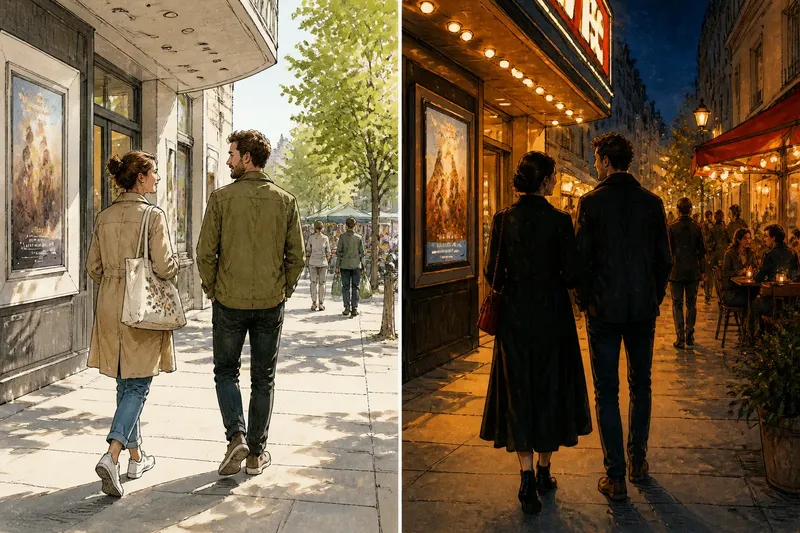
Even practical viewing conditions matter. Watching alone on a laptop, with captions on, is not quite the same as seeing a film in a packed cinema or beside a friend. Sound, interruptions and company can influence what you notice without making any version the single correct one.
Does a rewatch reveal the film or revise the memory?
It can do both, and the two are difficult to separate. A new detail may be present in the film each time, while the remembered version has already been shaped by later conversations, summaries and feelings. The gap between recollection and the scene itself becomes part of the viewing.
Think of memory as a book cover rather than a complete copy of the book: it gives you a recognisable image, but not every page. The cover may lead you to expect a particular mood. Once the film begins, its pacing, performances and sounds can complicate that expectation.
That does not mean the earlier response was mistaken. A film watched at one stage of life can have mattered for reasons that no longer feel immediate. Revisiting it can show what the work offered then, as well as what you are prepared to see now.
Can the same scene mean something new?
Yes. Meaning is not limited to plot information. A line may sound playful on a first viewing and evasive on a later one; a familiar musical cue may feel tender after a loss, or sentimental when you have become less patient with the story.
Imagine you first watched a family drama as a teenager and remembered its final argument as a brave act of independence. Years later, you rewatch it after becoming responsible for someone else’s care. You now notice the exhausted parent clearing the table before answering. That detail does not cancel the teenager’s response; it gives the argument another human dimension.
Sometimes the change is smaller. You may notice that a scene you thought was slow is carefully withholding information, or that a comic moment depends on a character being ignored. Such observations can deepen your account of the film without requiring you to decide that your first interpretation was wrong.
What should you notice on a second viewing?
Choose a point of attention rather than trying to catch everything. A simple intention can make a familiar film feel newly legible without turning the viewing into homework.
- Follow one character: Notice where they stand, when they speak and how other people respond to them.
- Listen to the sound: Attend to music, room tone, silence and sounds that continue across a cut.
- Watch the edges of the frame: Background actions can reveal relationships or tensions that the dialogue leaves unstated.
- Track a recurring object or image: A door, photograph or stretch of road may gather a different feeling as the story develops.
- Compare expectation with experience: Notice which scenes you remembered clearly, which surprised you and what the difference suggests.
These are invitations, not a test of attention. If a film’s pleasure lies in letting its rhythm carry you, there is no need to interrupt that experience in order to prove you have watched carefully.
How can you compare a memory with the film fairly?
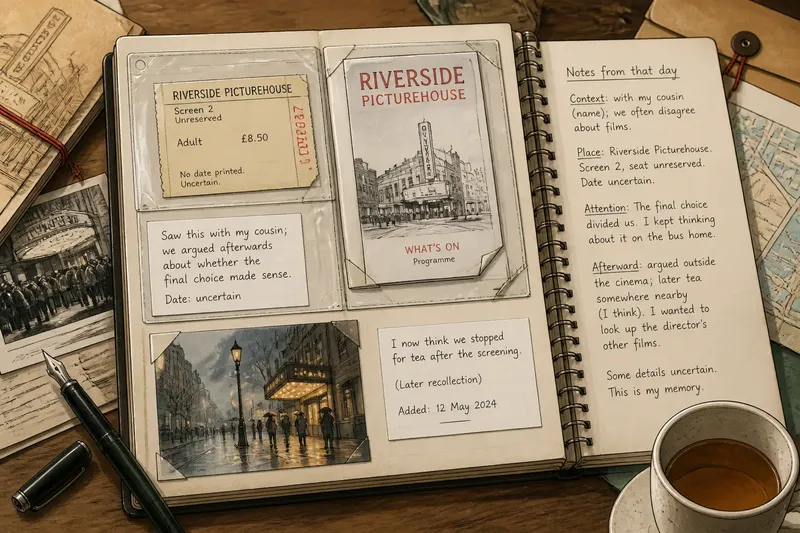
Start by separating what you remember from what you are seeing now. Before pressing play, you might jot down a few plain phrases: “the train ending”, “the sibling rivalry”, “the songs”. Afterward, note what was absent from that recollection and what felt newly prominent.
Keep the notes modest. The aim is not to build a definitive record of your reaction but to make the difference visible. You may discover that you remembered an image but not the dialogue around it, or that a particular interpretation came from a conversation rather than from the scene itself.
If you watch with someone else, ask what each of you remembered before explaining what the film means. One person may recall the ending’s relief; another may remember its loneliness. The contrast can open a useful conversation about attention and experience without turning disagreement into a contest over who remembers correctly.
What questions help explain a changed response?
Why do I remember a scene that is not as I recalled it?
Memory tends to retain a scene’s emotional outline while letting details shift or fall away. The film’s exact timing, words or gestures may therefore feel surprising even when the overall event is familiar.
Can I still love a film if it disappoints me now?
Yes. Affection can belong partly to the film and partly to the circumstances in which you first encountered it. A changed response need not erase the importance that viewing once had.
Should I watch a favourite film with someone else?
That depends on whether you want shared reactions or a private return to it. Another viewer can direct your attention towards a detail you missed, though their presence may also change the pace and mood of the experience.
How often should I rewatch a film?
There is no useful schedule to follow. Rewatch when curiosity, affection or a particular question draws you back, and leave the film alone when another viewing feels like an obligation.
When is it better not to rewatch?
Sometimes the remembered version is doing useful work. A film may be tied to a person, place or period that you would rather leave undisturbed for now. You do not owe a favourite another viewing to prove that your affection is genuine.
Equally, a rewatch need not settle whether the film has “aged well” or whether your younger self was right. Those verdicts can flatten a more interesting observation: the same work met different viewers at different moments, including the changing versions of one viewer.
Rewatching a familiar film is most revealing when you allow both versions of the experience to stand. Keep the old memory as evidence of what the film once meant, and let the present viewing supply details it could not contain. The difference between them is not a flaw to correct; it is often the clearest sign that attention has moved.